In 2022, a band of engineers named Aravind Srinivas (once OpenAI), Denis Yarats (Meta), Johnny Ho (Quora/quant trader), and Andy Konwinski (Databricks), planted the seeds of Perplexity AI, a search engine reimagined for the AI era.
Through 2023 and into 2024, Perplexity stepped into the spotlight. Their freemium model—free search with optional Pro access to GPT‑4 / Claude models, won millions of queries and loyal users with minimal marketing spend.
In early 2024, they raised $73.6 million at a $520M valuation. Just months later, they’d surged beyond unicorn status, raising $165M and topping $1 billion in value.
What Sets It Apart
At its heart, Perplexity is built for modern seekers who want answers, fast, and cite the journey.
- It generates AI-powered answers with inline citations, showing why it believes what it tells.
- It supports multiple AI models (OpenAI, Claude, Mistral, Grok), letting users choose their model as needed.
- Deep Research and Spaces let users load papers or niche content and query within that ecosystem.
- Built with adaptive learning, Perplexity refines its replies through usage feedback, staying agile and faster than many other search engines.
- It maintains a privacy-first posture, avoiding invasive user tracking or ad-targeting practices.
A Tom’s Guide experiment summed it up keenly: after a month using only Perplexity, the writer concluded it was more intuitive and reliable for research and advice.
Can Perplexity Overtake Google?
Not tomorrow. Google’s dominance remains structural. It commands over 90% global market share, spans billions of users, and powers trillions of searches annually. Perplexity still makes modest revenue and has yet to monetize meaningfully at scale.
The real question is: can Perplexity win the future of search?
And in that contest, the startup may already be ahead.
Valuation and investor confidence: Backed by Jeff Bezos, Nvidia, SoftBank, Databricks, Konstantinos, and other investors from across tech and AI leadership.
User trust and adoption: Organic growth, no ad spend until recently, strong loyalty among users and learners.
Product direction: The ability to choose AI models, build collections, and integrate deeply with mobile ecosystems.
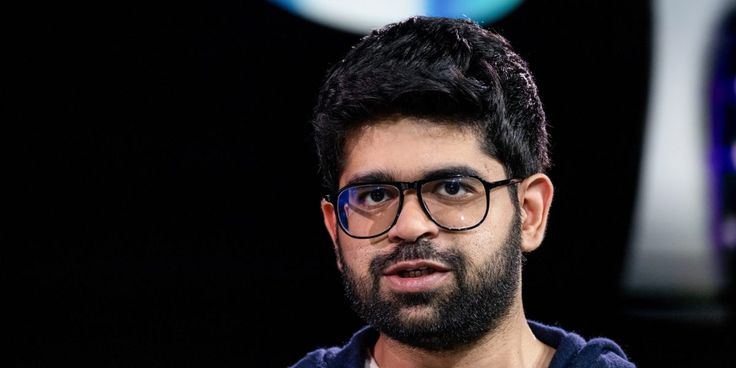
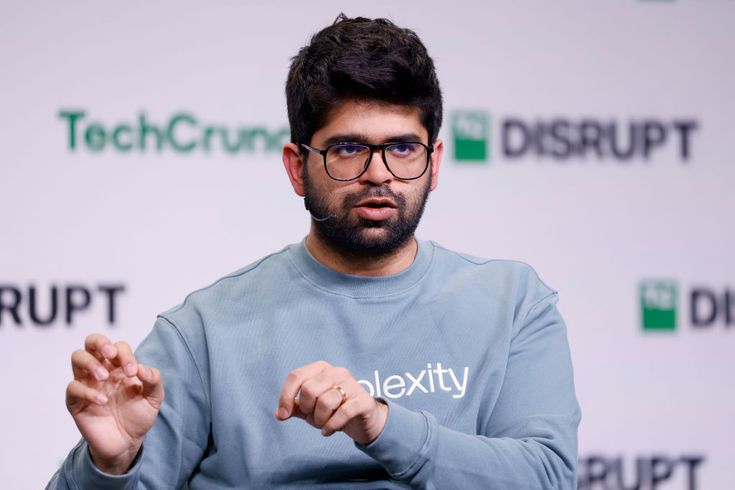
Leadership ethos: CEO Aravind Srinivas frames fear as motivation: “sleeping with that fear that your competitor will steal your idea is the key to success.” This culture has translated into agility and aggressive execution.
Perplexity AI began as a lean answer engine. In under three years, it’s become a lightning rod for innovation and controversy. Are they bigger than Google? Not yet. But in the new paradigm of AI-first, citation-anchored search, they are pacing ahead.
If Google represents the old guard, a mix of ads, indexing, and algorithms, then Perplexity is the conversational, citation-driven future. With Comet now in flight, the battle for the next generation of search has already begun.
Perplexity may not displace Google tomorrow. But today, it is carving a new path in how we search. In that path lies the potential to truly overtake.
Also read | https://hnayaskills.com/the-rise-and-fall-of-zume-pizza-a-cautionary-tale-of-a-failed-startup/